Choosing the Right Fence Height: Balancing Privacy and Community Harmony Mar 14, 2026
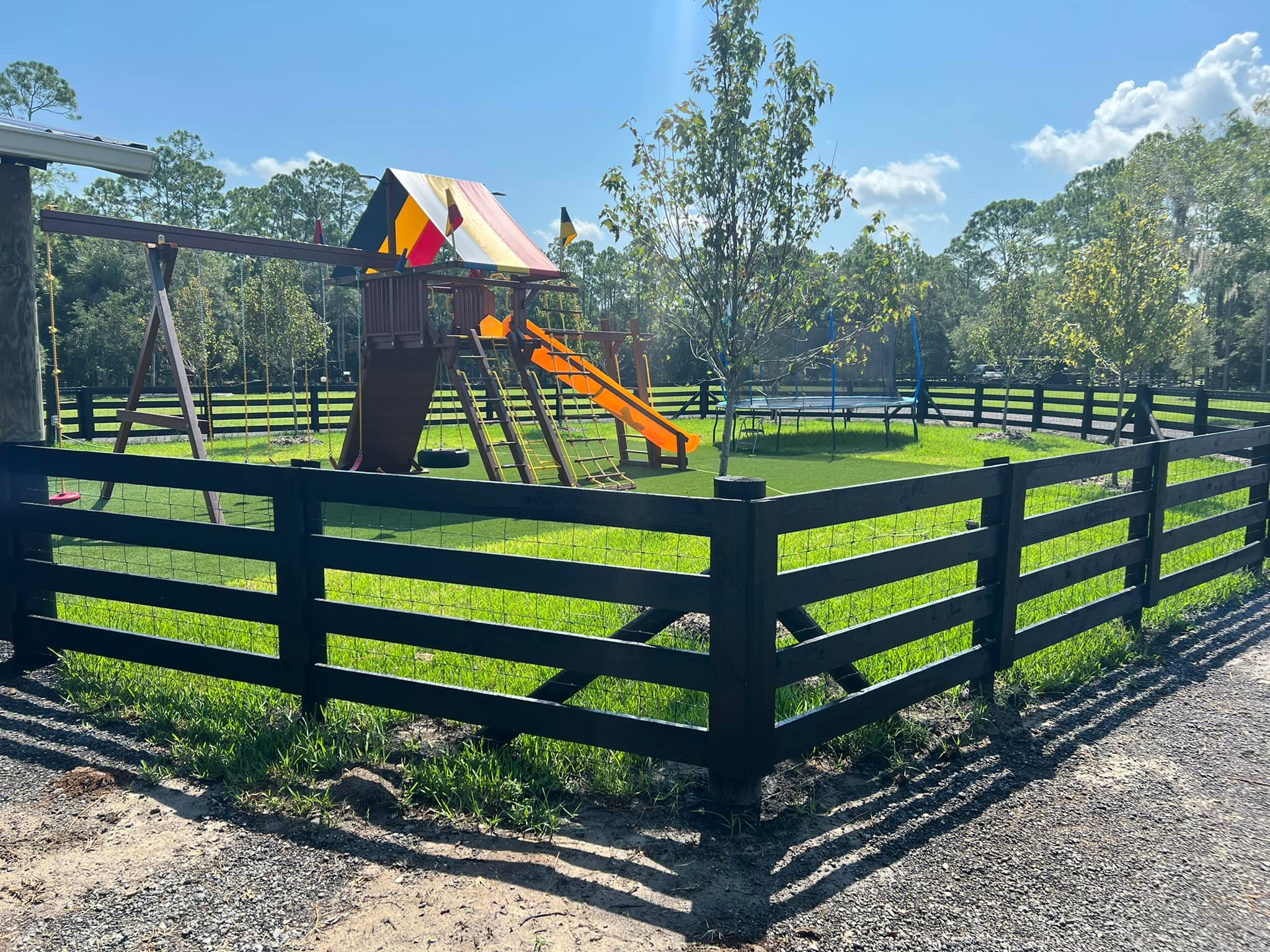
The first step in choosing the right fence height is understanding your primary need. Are you looking for privacy, security, or simply a decorative boundary? For those prioritizing privacy or security, a taller fence, typically six to eight feet, is recommended. This height effectively blocks unwanted views and deters potential intruders. However, if you are more concerned with marking property lines or adding an embellishment to your yard, a shorter, decorative fence of about three to four feet may suffice.
Local regulations and homeowners’ association (HOA) rules play a significant role in deciding the allowable height for fences. It's essential to review any municipal codes or community guidelines, as these may limit fence height or dictate specific styles. Failing to comply can result in fines or the need to take down and rebuild your fence, resulting in unnecessary hassles and expenses. At Allbritton's Outdoor Solutions Inc, we can assist you in navigating these regulations to ensure your project adheres to all legal requirements.
While privacy is a common reason for a taller fence, it's equally important to consider the impact on neighborhood harmony. Building an overly imposing fence can sometimes alienate neighbors or disrupt the aesthetic of the community. It's often worthwhile to discuss your plans with neighbors, especially if your property shares a boundary. Such communication fosters goodwill and potentially beneficial feedback regarding styles and themes that complement the neighborhood's character.
An overlooked factor when choosing fence height is landscaping. A well-designed fence should blend with natural elements while enhancing the beauty of your yard. Consider how your fence interacts with existing trees, shrubs, or architectural features. A fence that complements rather than overwhelms its surroundings not only enhances your property’s appeal but also respects the broader environmental context.
Your fence material can also influence height decisions. Different materials offer varied levels of privacy and durability. Solid wood or vinyl panels provide maximum privacy, while wrought iron offers security without obstructing views. Composite materials strike a balance between privacy and aesthetic appeal. Selecting the right material not only affects the effectiveness of the fence but also how it contributes to the community environment.
Finally, don't forget to factor in maintenance. Taller fences often require more materials and therefore higher maintenance. Consider the long-term upkeep associated with each height option and material type. At Allbritton's Outdoor Solutions Inc, we provide comprehensive maintenance advice and services to ensure your fence remains in perfect condition over the years.
In conclusion, the ideal fence height for your property relies on a combination of privacy needs, local regulations, community harmony, and landscape integration. Whether you’re constructing a barrier for privacy, security, or decoration, Allbritton's Outdoor Solutions Inc is committed to helping you make an informed decision that enhances both your property and the neighborhood. By considering each of these factors, you can confidently choose a fence height that meets your needs and complements your community.
/filters:no_upscale()/filters:format(webp)/media/77763e98-5911-4aa6-b5ce-2d34f55c4f04.jpg)
/filters:no_upscale()/filters:format(webp)/media/cac42dbb-2511-4706-8525-37fbe9b6b173.jpeg)